LonGeVa
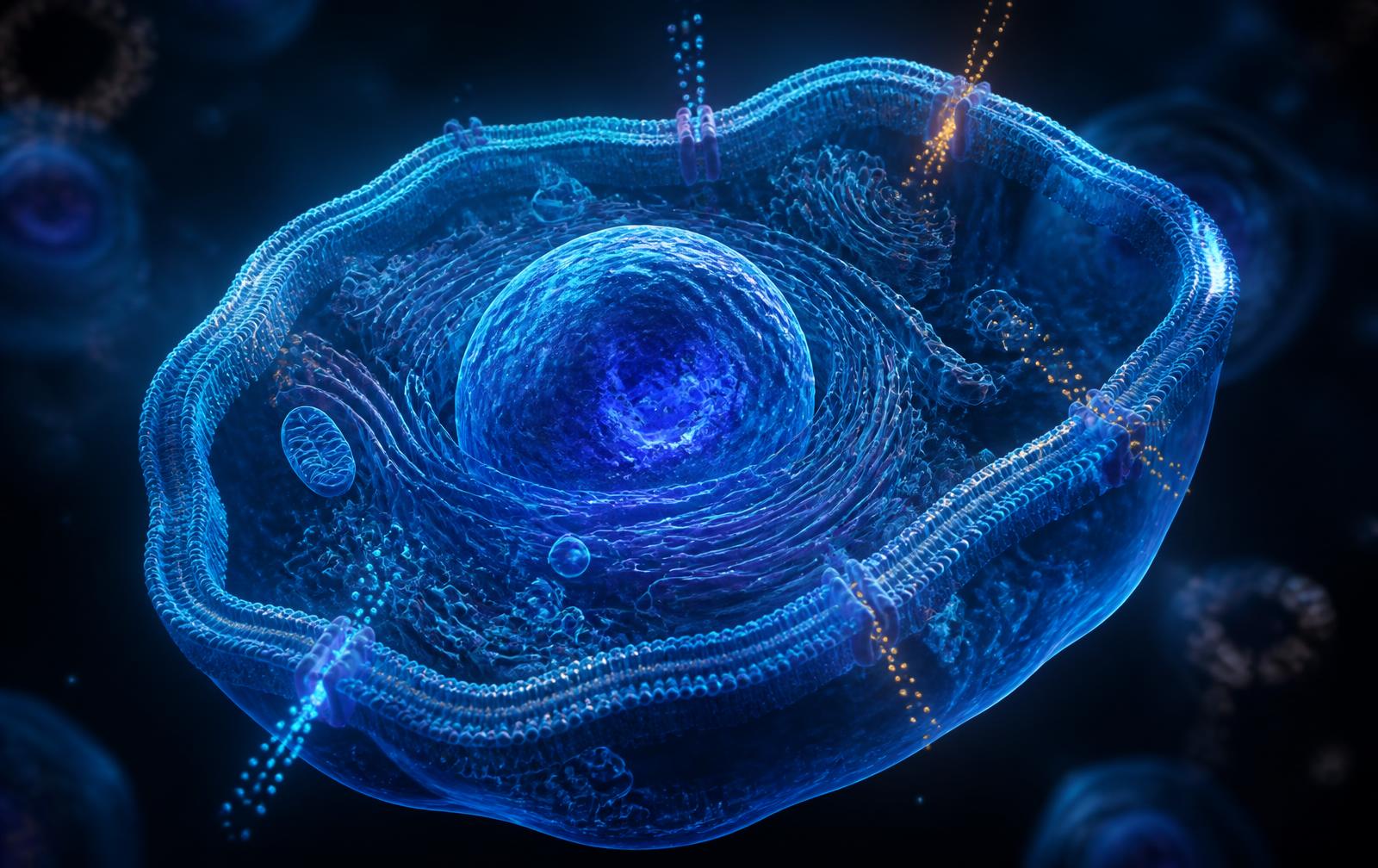
Cross-section visualisation of a hydrated cell absorbing mineral-rich LonGeVa drinking water

Guide · Water & biology

Cellular hydration, magnesium and DNA protection — explained honestly.

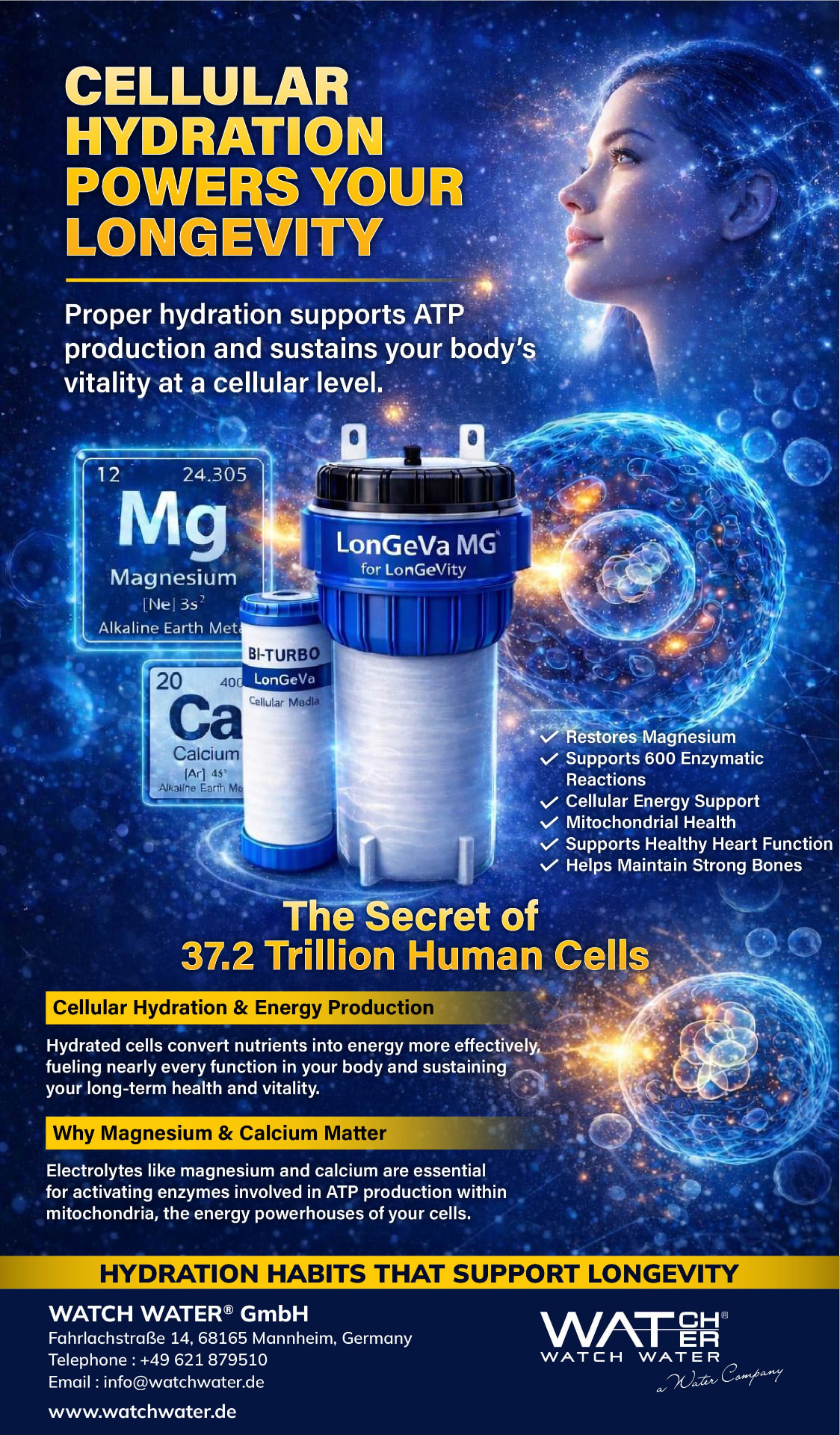
Longevity marketing has borrowed a lot of cell biology. This page separates the established biochemistry from the enthusiastic language — and states plainly where the evidence for water treatment stops.

On this page

  1. Water is not a passive filler
  2. Why magnesium keeps appearing
  3. Oxidative stress and DNA damage, described carefully
  4. Energy, water and the mitochondrion
  5. Water at the membrane
  6. What water treatment can and cannot claim

01 · The medium

Water is not a passive filler

Roughly 60% of adult body mass is water, and almost none of it is idle. It carries dissolved minerals into cells, moves metabolic waste out, transports hormones, and keeps the electrical gradients across membranes that make nerve and muscle signalling possible.

Because water is the medium rather than the message, its composition matters. Two glasses with the same volume but different mineral content behave differently once they reach the intestinal wall and the bloodstream.

This is the honest core of the “cellular hydration” idea: hydration is a transport question, not only a volume question.
02 · Minerals

Why magnesium keeps appearing

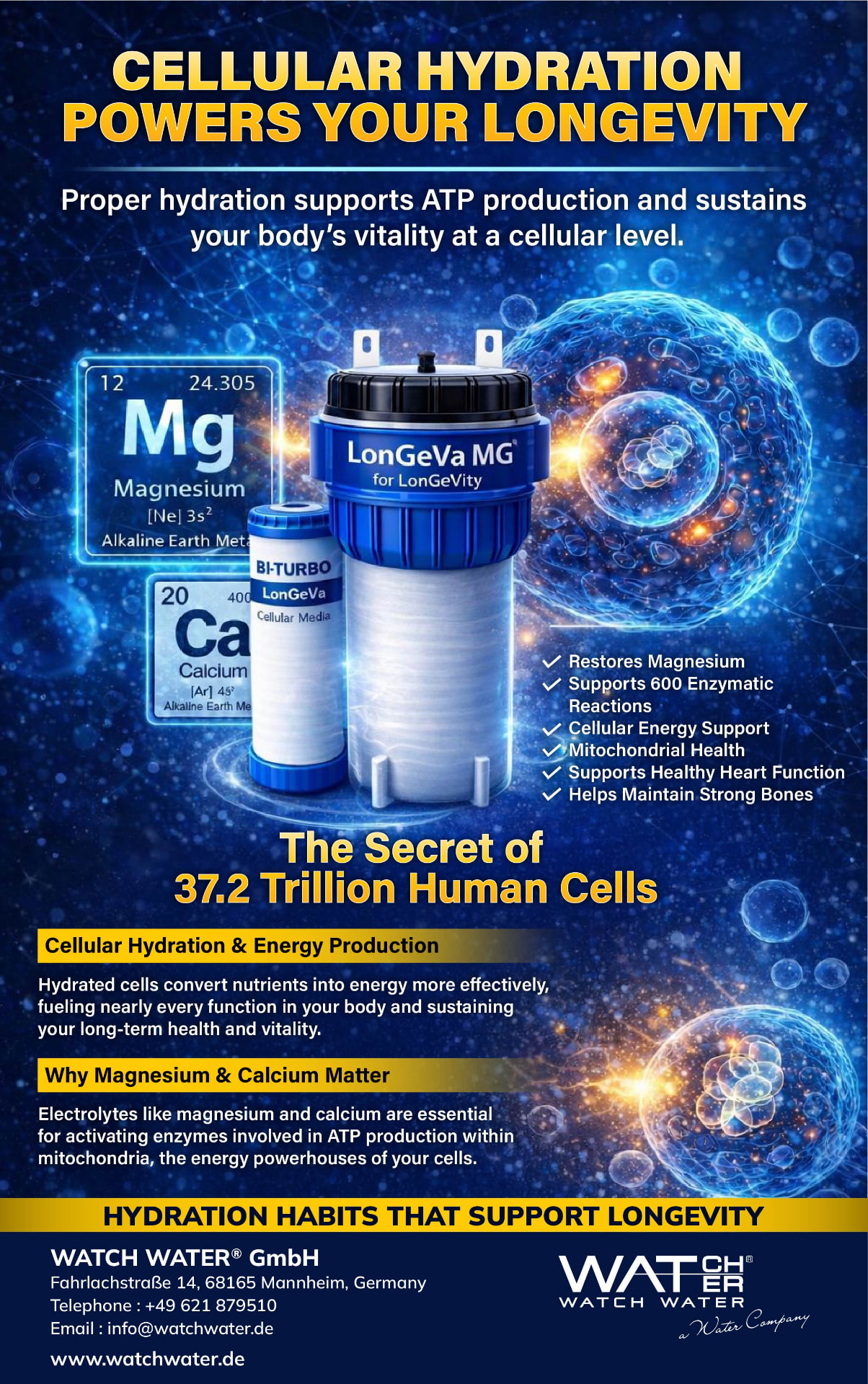
Magnesium is an established cofactor in several hundred enzymatic reactions. Among them are the reactions that release energy from ATP — the molecule is biologically active as a magnesium complex, which is why magnesium status and energy metabolism are discussed together.

Magnesium also participates in DNA replication and repair enzymes, in protein synthesis, and in the regulation of calcium movement across membranes. These are textbook biochemistry, not marketing positions.

Drinking water is a modest but genuine contributor to daily magnesium and calcium intake. Reverse osmosis and distillation remove that contribution entirely; ion-exchange softening replaces it with sodium. Keeping the minerals is a defensible design goal in its own right.

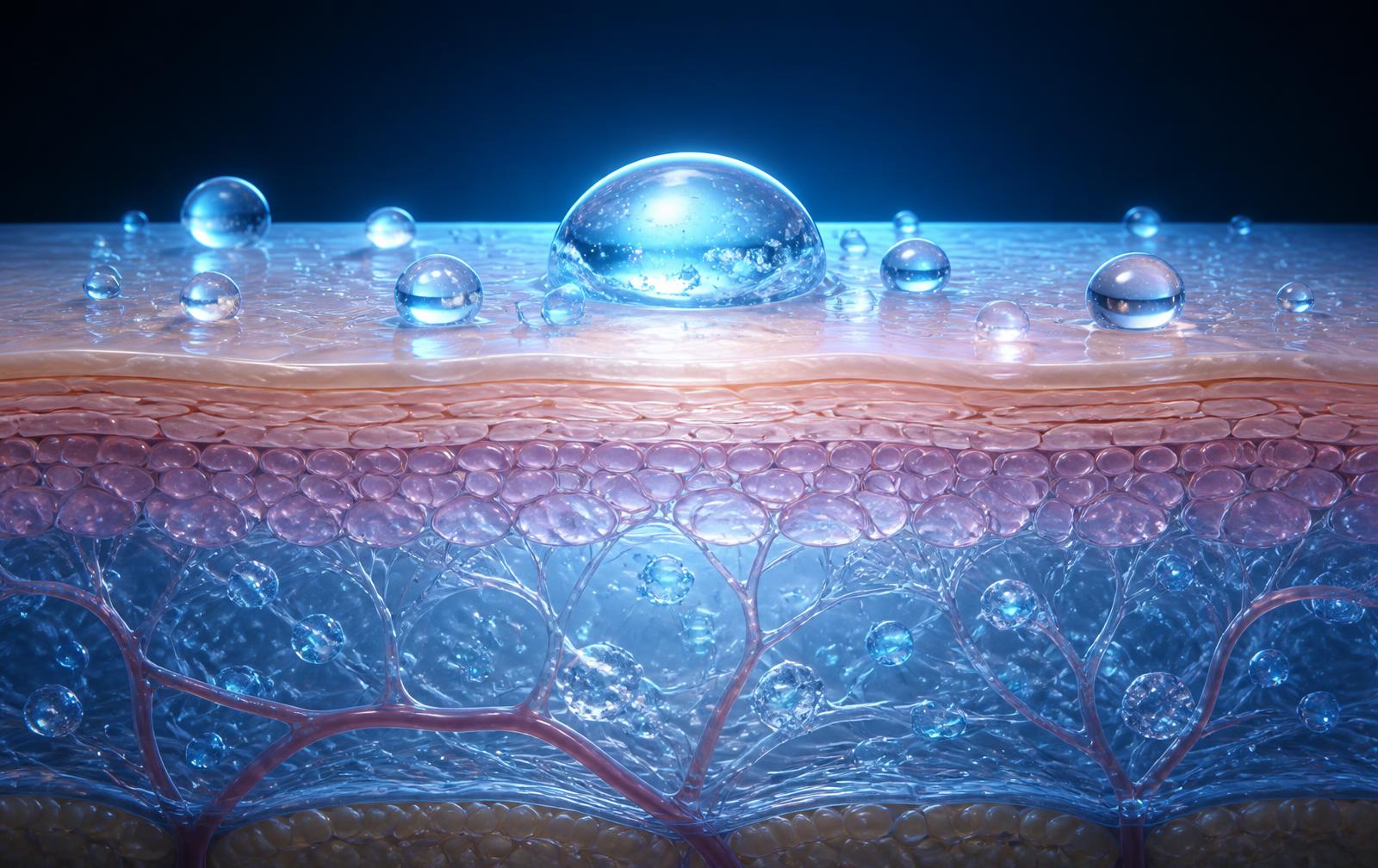
Cross-section visualisation of hydrated cell layers

03 · Oxidative stress

Oxidative stress and DNA damage, described carefully

Normal metabolism generates reactive oxygen species. Cells neutralise them with enzymatic and dietary antioxidants, and repair the damage that gets through — including damage to DNA bases and strands. When production outpaces defence and repair, that imbalance is called oxidative stress.

Cumulative DNA damage is one of the recognised hallmarks of biological ageing, alongside mitochondrial decline and impaired proteostasis. Reducing unnecessary oxidative load is therefore a reasonable general goal.

Chlorinated municipal water sits in an oxidising range and contains disinfection by-products. Removing chlorine and chloramine lowers one everyday oxidative exposure. That is a chemistry statement about the water — not a claim that any filter protects your DNA, slows ageing, or prevents disease.

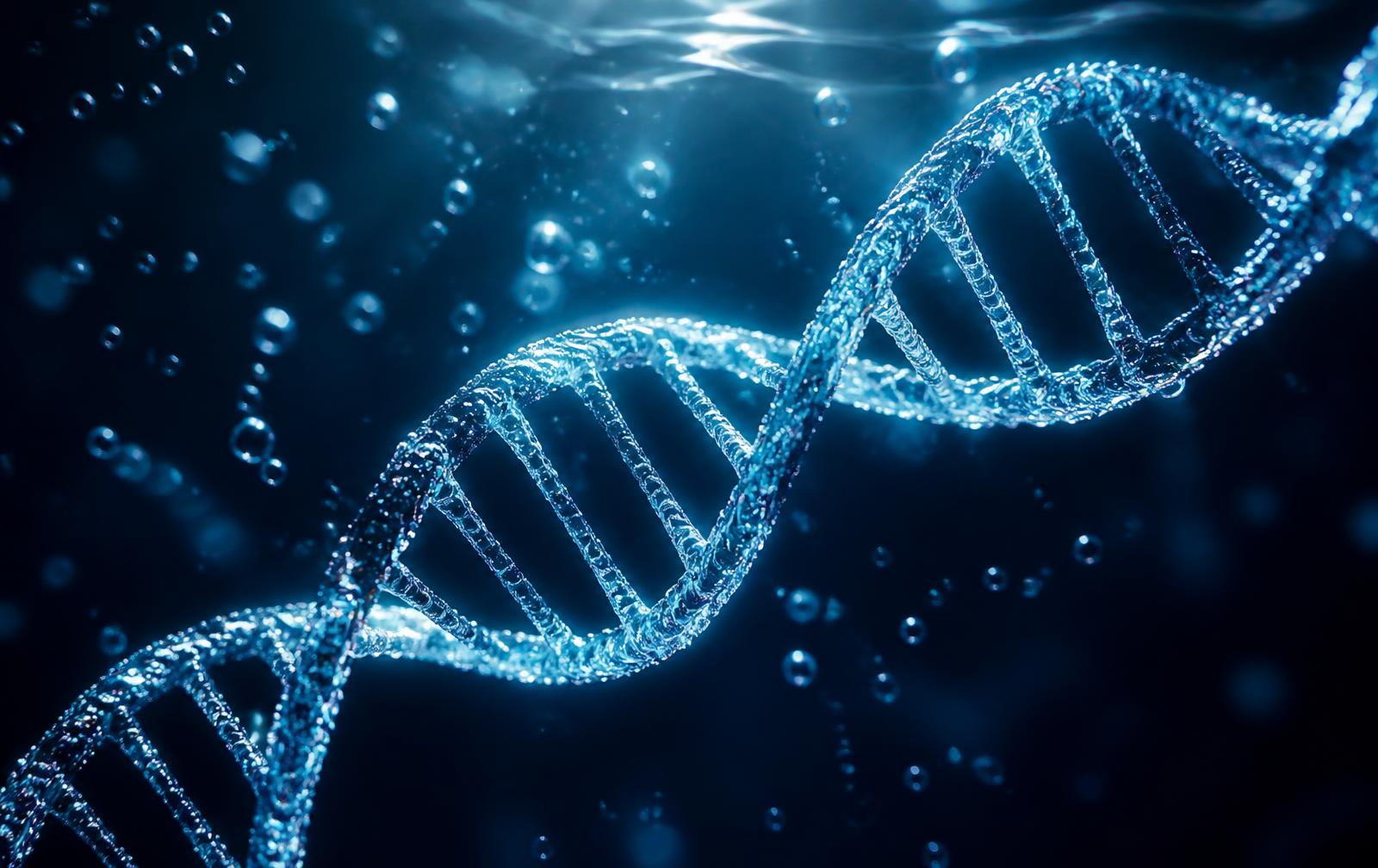
DNA double helix suspended in luminous blue water

04 · Mitochondria

Energy, water and the mitochondrion

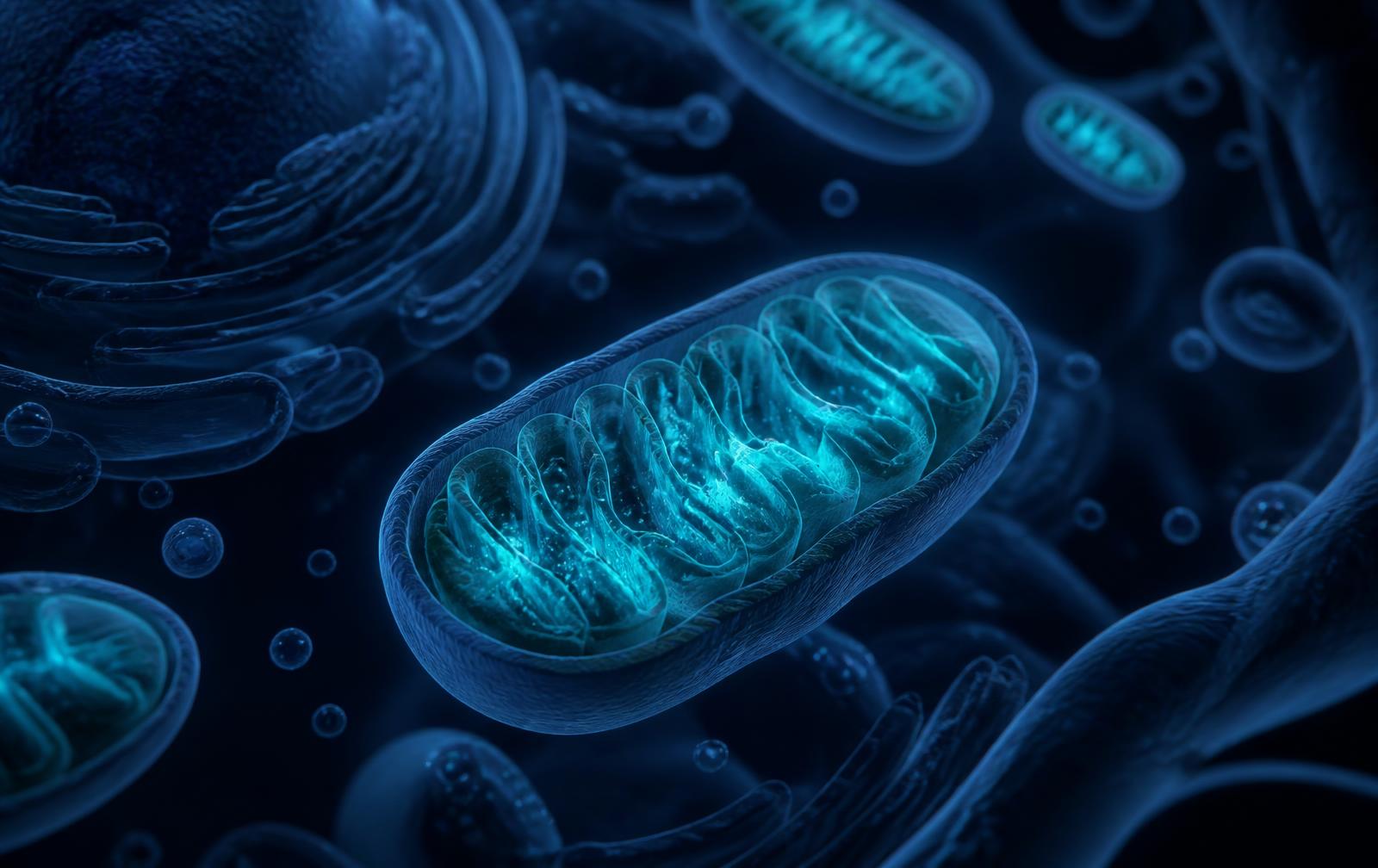
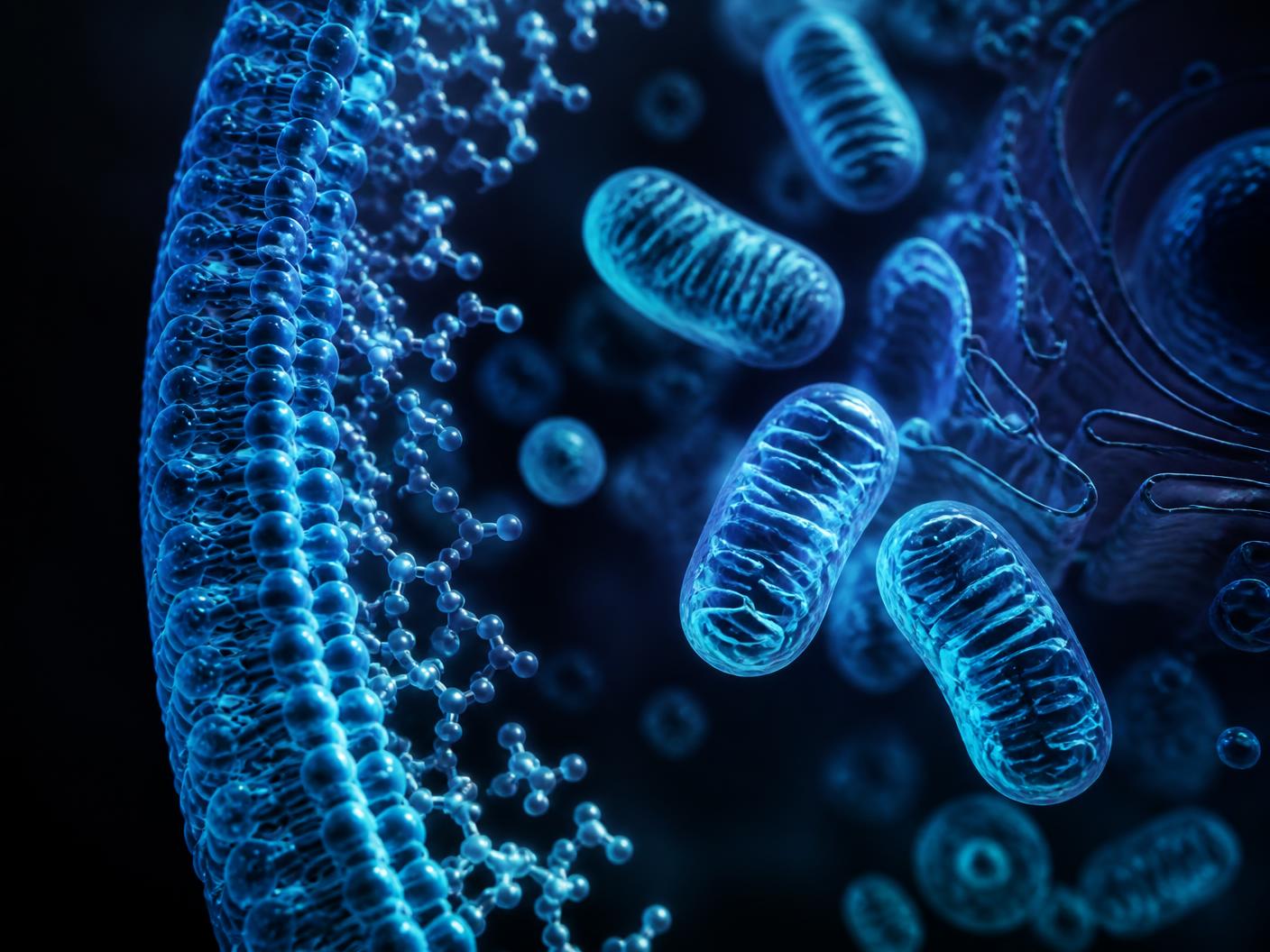
Mitochondria produce ATP through oxidative phosphorylation, and they also produce water as a metabolic end product — the reason “your cells make water” appears on several posters in our library.

Mitochondrial enzymes depend on mineral cofactors and on a stable intracellular environment, which is maintained partly by osmotic and electrolyte balance.

So the chain runs: mineral-carrying water supports electrolyte balance, electrolyte balance supports enzyme function, enzyme function supports energy production. Each link is real. None of them licenses a therapeutic promise.

Scientific render of a mitochondrion producing energy inside a cell

05 · Interfaces

Water at the membrane

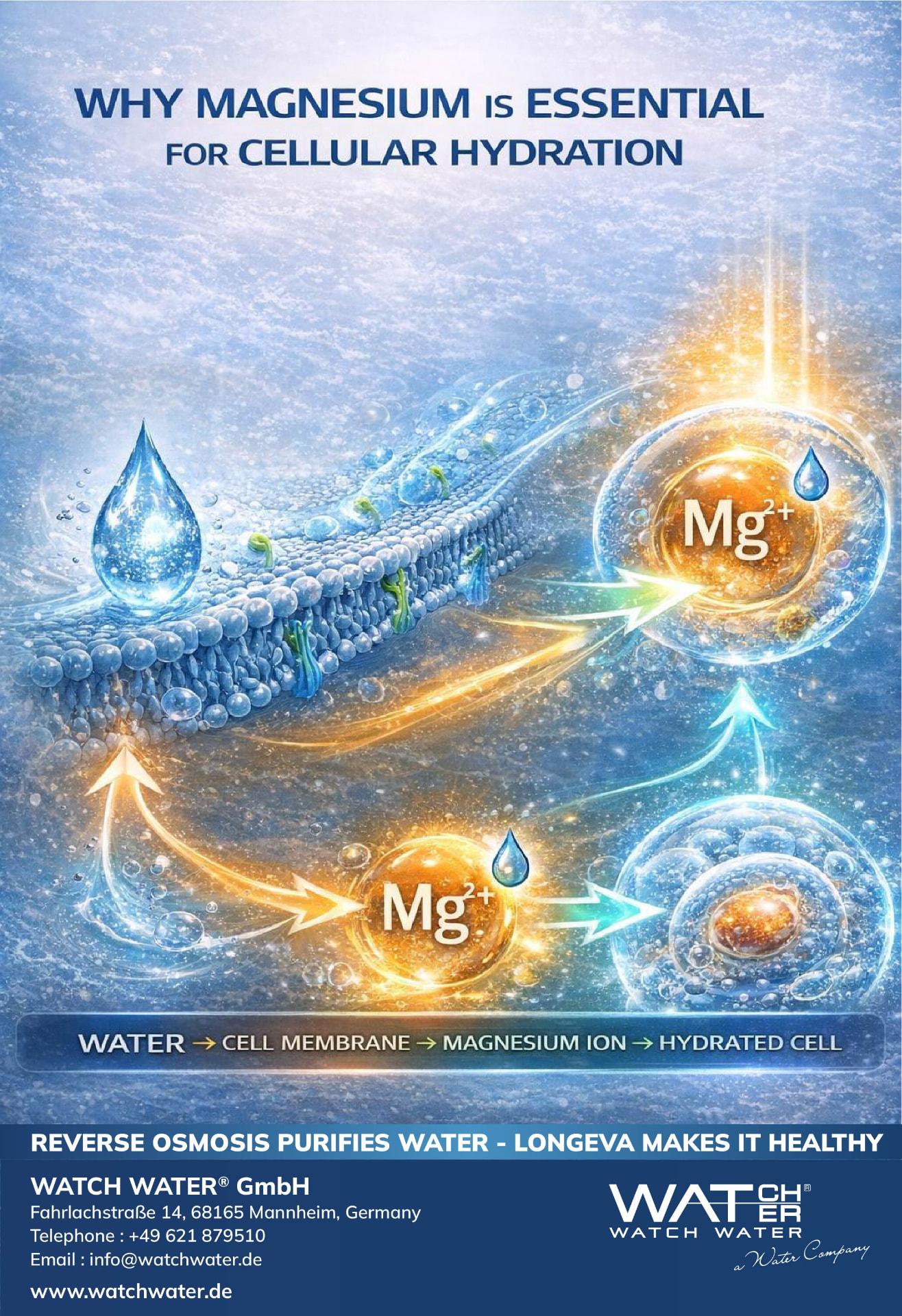
Water in contact with biological surfaces does not behave like bulk water. It organises into ordered, charge-separated layers — the exclusion-zone behaviour described in interfacial water research.

That ordering responds to mineral composition, dissolved gases and oxidative species. Mineral-intact, low-oxidative water supports the ordering rather than disrupting it.

Research in this area is active and not settled. We describe it as a mechanism of interest, and we label it as such wherever it appears in our material.

Visualisation of ordered water layers at a cell membrane surface

06 · Boundaries

What water treatment can and cannot claim

A water system can be held to measurable outcomes: chlorine and chloramine reduction, micropollutant adsorption, scale prevention, mineral retention, oxidation-reduction potential, flow rate and service life. Those belong in a specification and can be tested.

A water system cannot honestly claim to cure, treat or prevent disease, to reverse ageing, or to repair DNA. Where our posters use enthusiastic longevity language, that is marketing copy, and we mark it as manufacturer material rather than clinical evidence.

If you are managing a health condition, water quality is one input among many — discuss it with a qualified professional rather than replacing their advice with a filter.

Cellular hydration check

Are your cells actually hydrated?

Drinking enough is only half of it. This check looks at both your habit and your likely magnesium status — the two together decide how much repair capacity your cells have.

Daily water intake
What you mostly drink
Coffee, tea or alcohol per day
Exercise or heat exposure
Cramps, twitching, poor sleep or fatigue

Answer the five questions above to see your result instantly.

Next

See how the chemistry is actually built

The mechanisms behind mineral retention, catalytic dechlorination and salt-free scale prevention are documented on the science page.

CallRequest a quote