LonGeVa
Luminous blue water structure illustrating the five filtration and hydration mechanisms behind LonGeVa water

The science

Five mechanisms, no magic.

LonGeVa is chemistry and surface physics, engineered into a media bed. This page explains exactly what happens to water as it passes through — and where the boundary of our claims lies.

Contents

  1. Nucleation assisted crystallisation
  2. Catalytic dechlorination
  3. Oxidation-reduction potential
  4. Magnesium bioavailability
  5. Structure at the interface

Mechanism 01

Nucleation assisted crystallisation
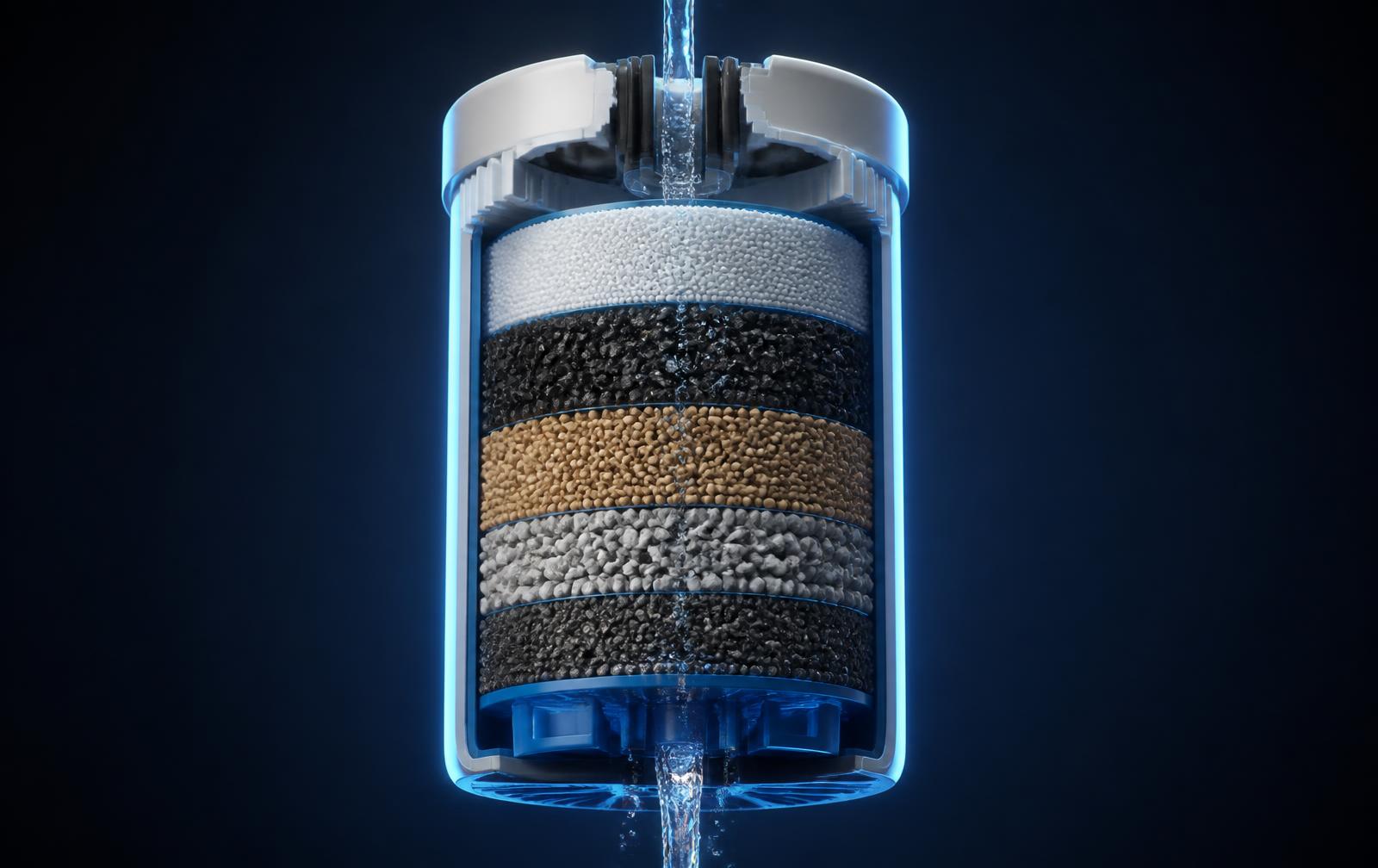
Cutaway of a layered filtration bed with water flowing through the crystallisation media

Hardness is not removed — it is transformed. On the FilterSorb SP3 surface, calcium and bicarbonate ions are brought together at active nucleation sites and converted into stable calcium carbonate microcrystals.

Because those crystals are already formed and electrically neutral, they no longer have the affinity to bond to pipe walls, heating elements or heat exchangers. They travel with the water and leave with it.

This is why LonGeVa prevents scale without ion exchange: no sodium is introduced, no resin needs regenerating, and no brine is discharged. Crucially, the calcium and magnesium remain in the water for the body to use.
Mechanism 02

Catalytic dechlorination

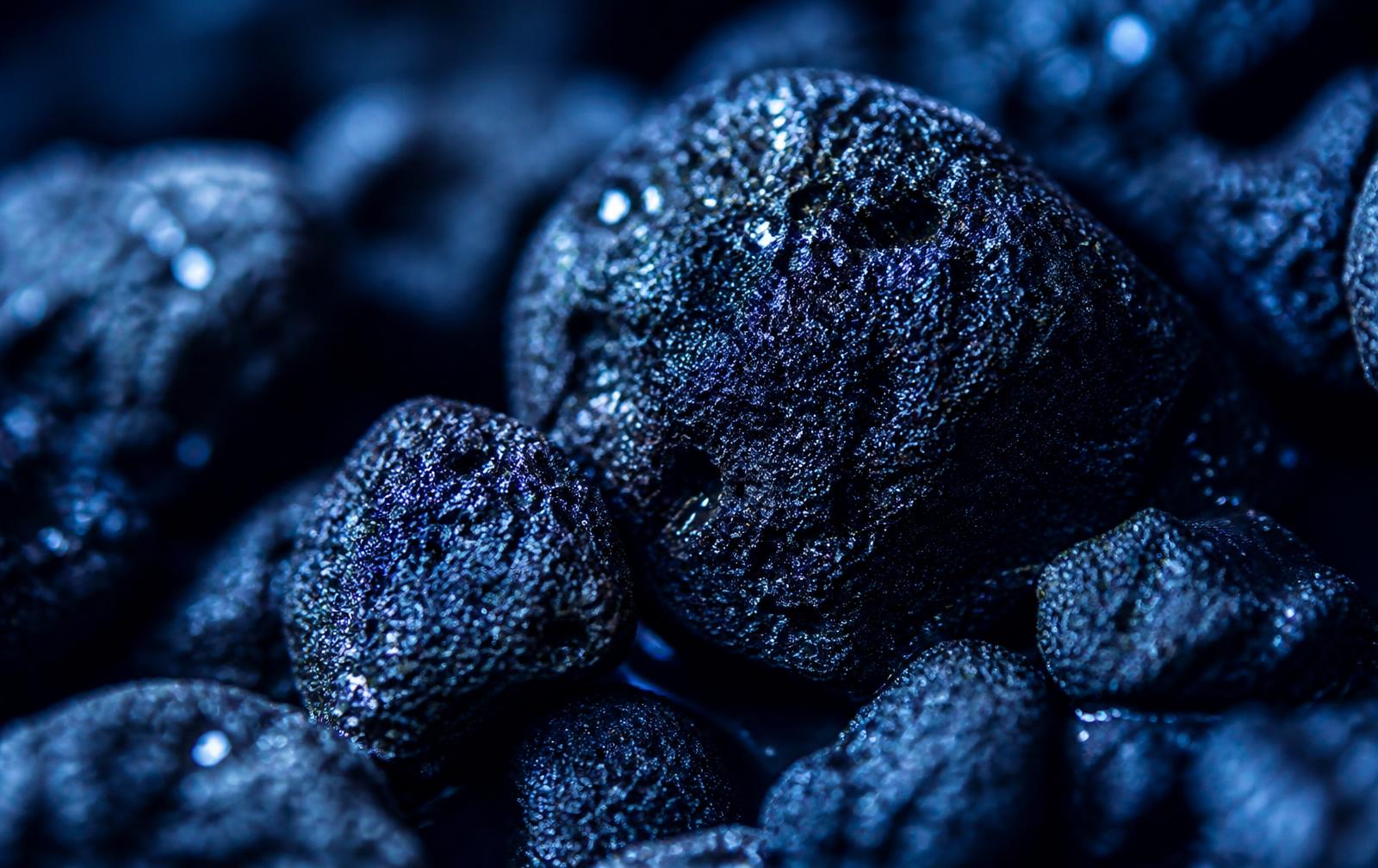
Macro photograph of porous catalytic filtration media granules wet with water

Standard activated carbon adsorbs chlorine until its capacity is exhausted, then breaks through — often without warning.

Catalytic Carbon-MG instead promotes a catalytic reaction that converts free chlorine and the far more stubborn chloramine into chloride, without consuming the carbon surface at the same rate. Its adsorption capacity therefore stays available for PFAS, PFOA, PFOS, pesticides, VOCs and pharmaceutical residues.

The same high-surface-area structure adsorbs organic micropollutants: pharmaceutical residues, pesticides, disinfection by-products and PFAS-type compounds.

Mechanism 03

Oxidation-reduction potential

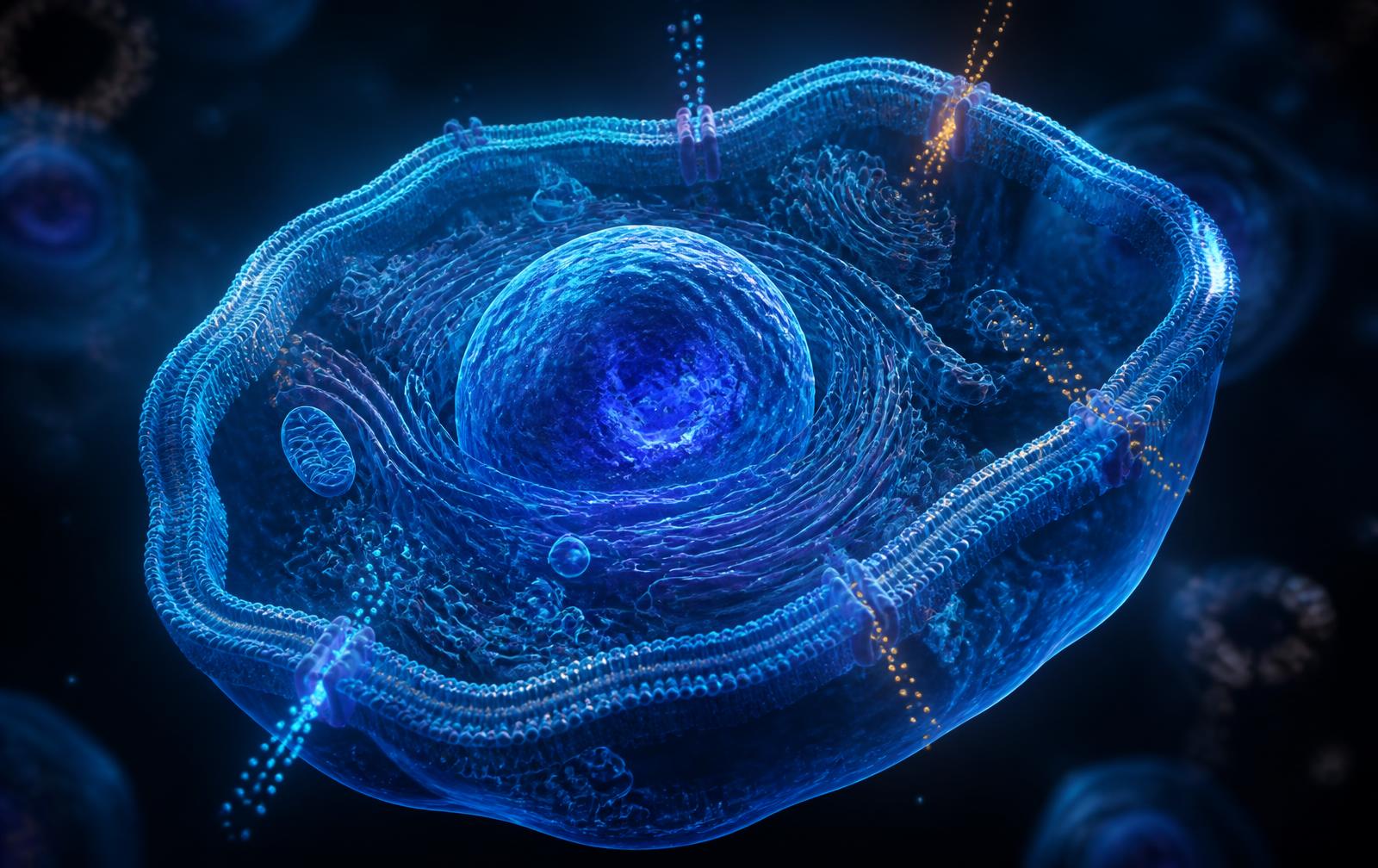
Scientific visualisation of a hydrated cell with mineral ions crossing its membrane

Every water has an ORP — a measure of its tendency to oxidise or to donate electrons. Chlorinated municipal water typically sits in a strongly oxidising range.

AquaRedox chemistry shifts the treated water downward on that scale. In practical terms, the water arrives in the body with less oxidative demand, so less endogenous antioxidant capacity is spent neutralising what you drank.

Redox is also why LonGeVa water tends to keep its character in storage rather than going flat or stale.

Mechanism 04

Magnesium bioavailability

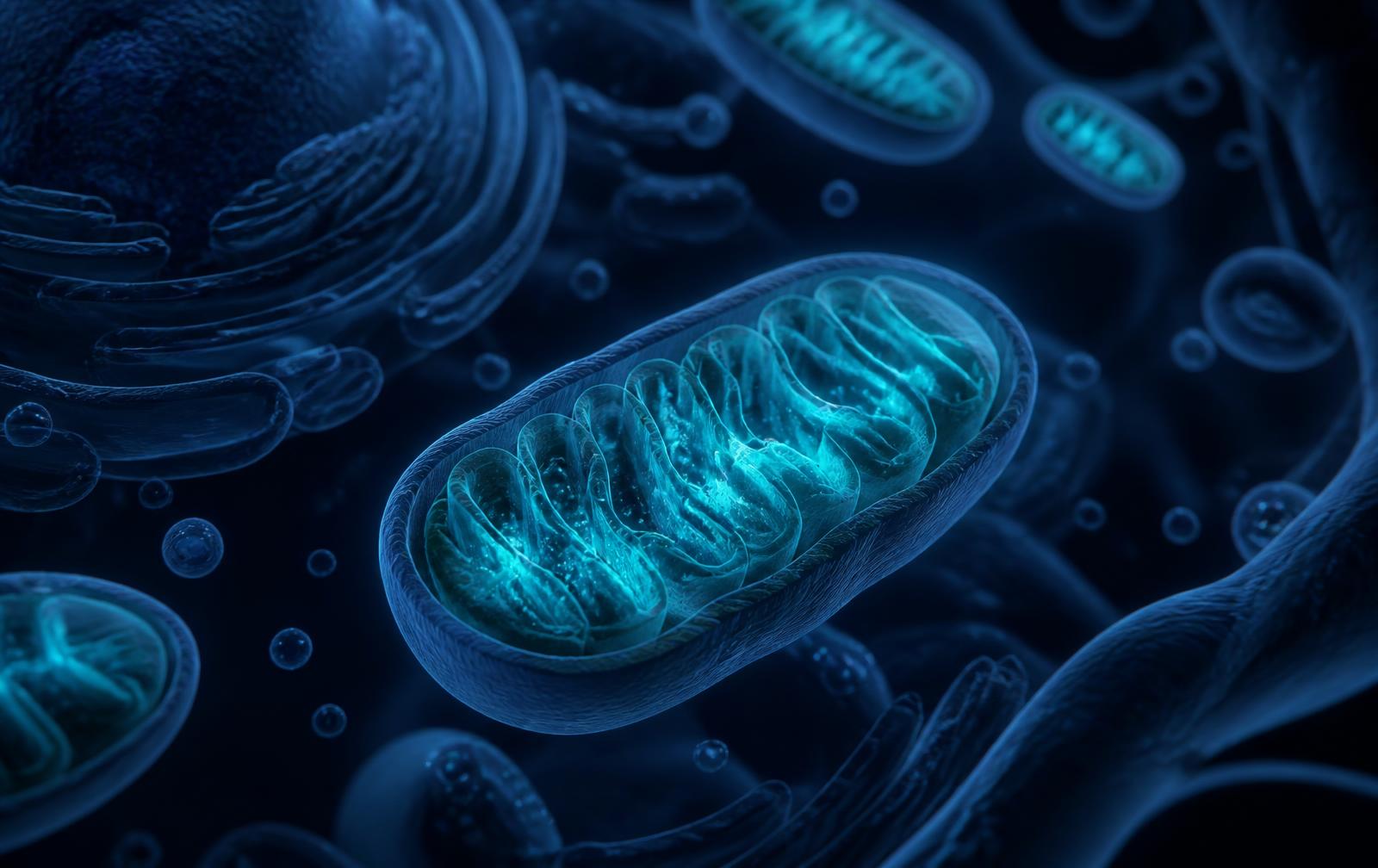
Scientific render of mitochondria, the site of ATP energy metabolism, inside a cell

Magnesium is a cofactor in more than three hundred enzymatic reactions. ATP — the cell's energy currency — is biologically active as a magnesium complex, so magnesium availability is inseparable from energy metabolism.

Reverse osmosis and distillation strip magnesium out entirely. Ion-exchange softeners remove it and leave sodium in its place. LonGeVa is engineered around the opposite premise: keep the magnesium, remove the load.

LonGeVa Bath extends the same idea transdermally, using warm water and a magnesium-rich mineral matrix.

Mechanism 05

Structure at the interface

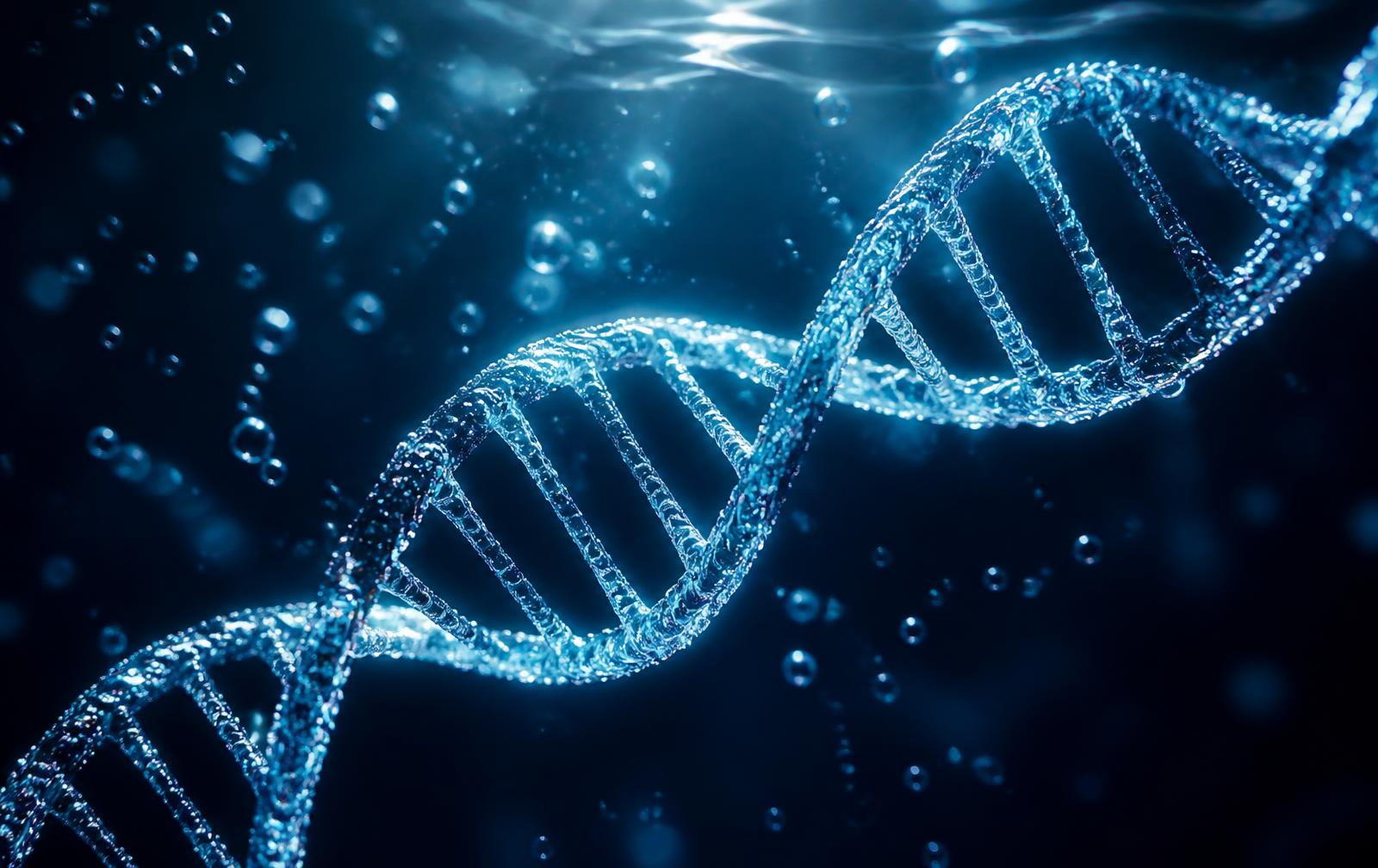
Luminous DNA double helix suspended in blue water

Water in contact with biological surfaces does not behave like bulk water. It organises into ordered, charge-separated layers — the exclusion-zone behaviour described in interfacial water research.

That ordering is sensitive to mineral composition, dissolved gases and oxidative species. Water that is mineral-intact and low in oxidative load supports the ordering rather than disrupting it.

We describe this as cellular intelligence: not a mystical property, but the measurable consequence of composition on how water behaves where it meets a membrane.

DNA double helix rendered in blue water, representing the cellular environment water participates in

Cellular context

Why composition matters below the tap

Water is the solvent every cellular reaction happens in. Composition is therefore not a comfort question — it decides what the solvent brings with it.

Cells maintain gradients across their membranes, and those gradients depend on the ions dissolved in the water that surrounds them. Magnesium and calcium are participants in that chemistry, not impurities to be stripped out.

Oxidative species arriving with drinking water add to the total oxidative load the body already manages from metabolism, and that load is the general context in which researchers discuss oxidative damage to lipids, proteins and DNA. Reducing what arrives is a water-chemistry objective, not a medical intervention.

Skin is the other exposed interface. Bathing water contacts the outermost cell layers continuously, which is why chlorine and hardness are discussed in terms of barrier feel and dryness rather than only taste.

Where we stop

What we do not claim

LonGeVa treats water. We describe water chemistry, mineral behaviour and general physiology. We do not claim that drinking or bathing in LonGeVa water diagnoses, treats, cures or prevents any disease, and we do not publish testimonials or trial results we have not run. If a claim on this site cannot be traced to water chemistry or established physiology, it is not one we make.

CallRequest a quote